EBT, or Electronic Benefit Transfer, is like a debit card for food. It helps people with low incomes buy groceries. But not everything you see at the grocery store is eligible. This essay will explain exactly what food qualifies for EBT. Knowing what you can and can’t buy with your EBT card is super important, so you can stretch your benefits as far as possible!
The Basics: What’s Considered Food?
So, what exactly is considered “food” by the EBT rules? Well, it’s generally things you eat to stay alive and healthy! Think of it as the stuff you’d find in the grocery aisles, not the things you’d buy at the pharmacy or the hardware store. EBT is designed to help people get the nutrition they need, so the focus is on food for home consumption.
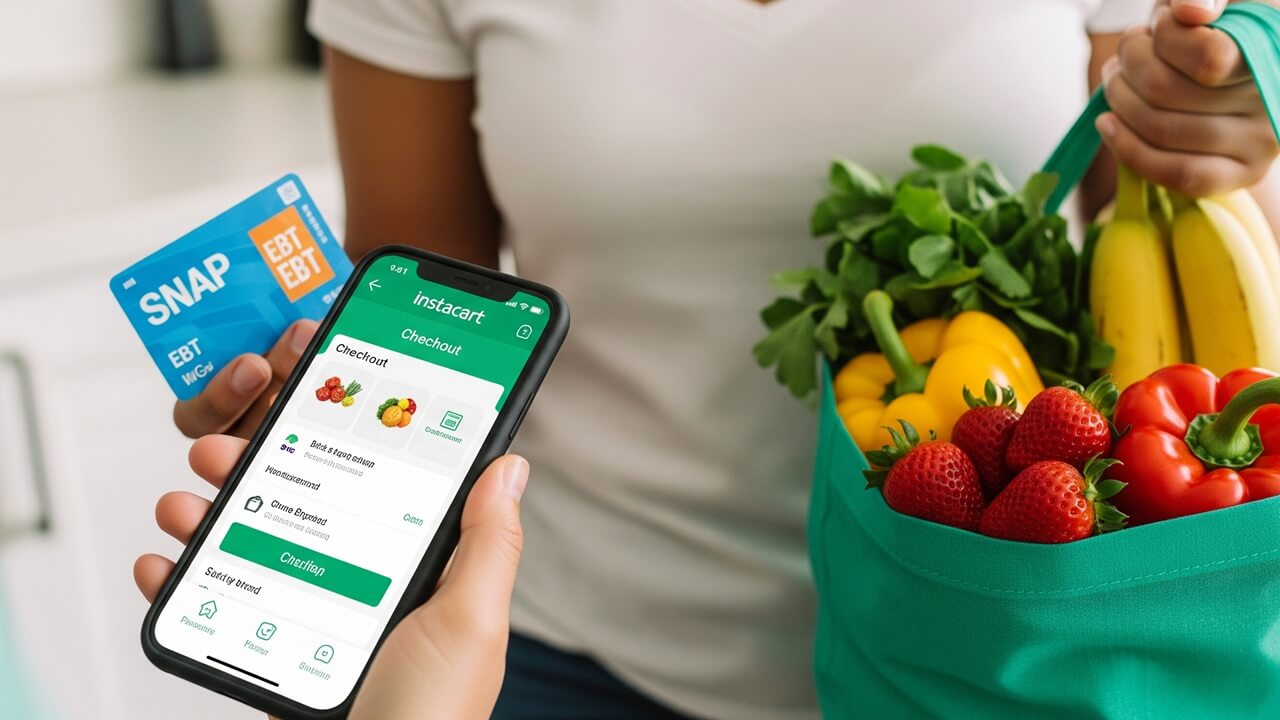
To clarify, the government has a pretty straightforward definition. This definition guides what items are approved for purchase. Let’s break it down further. The goal is to provide everyone with healthy food options and access.
The idea is to ensure that individuals and families can maintain a balanced diet. This includes essential food groups. The program helps families manage their food budgets while providing them with the resources they need.
Generally, EBT covers food items like fruits, vegetables, meats, poultry, fish, dairy products, and grains. These items make up the core of a healthy diet. They are all usually available in the grocery stores.
Fruits and Vegetables: The Colorful Corner
Fruits and vegetables are a big yes for EBT. Whether they’re fresh, frozen, or canned, as long as there’s no added sugar, fats, or oils in the product, they are generally approved. This is a great way to buy those important vitamins and minerals. You can buy your favorite apples, bananas, broccoli, and carrots with your EBT card. The focus is on providing access to nutritious foods.
Here’s a quick guide on what’s usually OK and what might be a bit tricky:
- Fresh Fruits & Vegetables: Absolutely! Think of your fresh produce aisle.
- Frozen Fruits & Vegetables: Yes, as long as they have no added ingredients.
- Canned Fruits & Vegetables: Usually yes, but check for added sugar, syrups, or sauces.
It’s worth checking the labels to make sure you’re making the best choices. This ensures you’re getting the most nutritional value. Remember, EBT is focused on helping people make healthy choices.
Choosing fruits and vegetables is a good way to stay healthy! You can create healthy meals for you and your family by using EBT to purchase fresh, frozen, or canned fruits and vegetables.
Meats, Poultry, and Fish: Protein Power
Protein is super important for building strong muscles and keeping you energized. Good news: you can use your EBT card to buy all kinds of meat, poultry, and fish! That means you can get your chicken, beef, pork, and fish, like salmon or tuna.
Here is a list of what EBT generally covers:
- Fresh Meat: Steaks, roasts, ground beef, etc.
- Poultry: Chicken, turkey, etc.
- Fish & Seafood: Fresh, frozen, or canned (like tuna in water).
- Processed Meats: (Generally allowed, but read labels carefully)
Be aware of the ingredients. You might want to be aware of some ingredients like excessive salt. When in doubt, look for the leanest and healthiest choices.
EBT can help you access essential sources of protein. Remember to always check the labels and make informed choices to get the best nutritional value for your money. Having access to food like this can make a real difference in people’s lives.
Dairy and Dairy Alternatives: Milk and More!
Dairy products provide calcium and other vital nutrients. EBT covers a wide range of dairy products. This means you can buy milk, yogurt, cheese, and even things like eggs with your EBT card. It’s a great way to get those important nutrients into your diet.
Here’s a quick view of some things you can usually buy:
| Dairy Product | EBT Eligible? |
|---|---|
| Milk | Yes |
| Yogurt | Yes |
| Cheese | Yes |
| Eggs | Yes |
| Butter | Yes |
Many grocery stores have non-dairy options now. These are for people who don’t eat dairy. Milk alternatives like soy milk and almond milk are often covered as long as they are labeled as a food item. Checking the label helps you make the right choices to support your personal health needs.
Remember to always check the product label for information. This can include ingredients and nutritional information to help you make choices that meet your needs.
Grains and Bread: The Foundation of Many Meals
Grains are a great source of energy! You can use your EBT card to purchase bread, cereal, rice, pasta, and other grain products. Whole grains are particularly beneficial.
Here’s a few tips:
- Bread: Yes!
- Cereal: Yes! Watch out for cereals with too much added sugar.
- Rice & Pasta: Yes! Brown rice and whole wheat pasta are great choices.
When picking out your bread and cereal, look for whole-grain options. These offer more fiber and nutrients. Reading the labels will help you find what you need. It is important to make sure you buy foods that are healthy for your body.
EBT provides you with the option to make healthy choices when it comes to buying grains. Always make sure to read the labels to confirm what you are purchasing.
Snack Foods and Beverages: The Gray Area
Snack foods and beverages can sometimes be a tricky area. Generally, you can buy snacks like chips, crackers, and cookies, but there are some restrictions. Many sugary drinks, like soda, are not allowed. Also, things like candy are usually not considered essential foods.
Here are a few things to keep in mind:
- Allowed: Chips, crackers, cookies (check ingredients).
- Often Not Allowed: Soda, energy drinks, alcohol.
When it comes to EBT, try to prioritize the things that are good for you. Always check the label to see if the item contains any unhealthy added ingredients. The rules may vary slightly by state. So, if you’re unsure, it’s always best to double-check with the store or your EBT provider.
Prioritizing healthier options can help you and your family stay healthy. Always remember to check the labels on what you’re purchasing! This will help you choose items that you can buy with your EBT card.
Non-Food Items: What You Can’t Buy
EBT is specifically for buying food. This means there are lots of things you can’t purchase. Things like cleaning supplies, paper products, diapers, and pet food are all off-limits. This is because EBT is designed to help families afford essential foods for human consumption.
Here’s a short list of items that are typically NOT covered by EBT:
- Alcohol
- Tobacco
- Vitamins and supplements
- Pet food
- Household supplies (cleaning supplies, paper products)
- Cosmetics
This helps to make sure that EBT funds are used for the purpose they’re designed for. Always separate your grocery shopping from any non-food purchases.
The focus of EBT is on providing food for your family. Always read the fine print and know the rules. That way you can use your EBT card effectively.
Conclusion
Knowing what food qualifies for EBT is key to making the most of your benefits. It’s all about buying the stuff you need to eat: fruits, vegetables, meats, dairy, grains, and some snacks. By understanding the rules and reading labels, you can make healthy choices and stretch your EBT dollars to provide for yourself and your family. EBT is a valuable resource, and knowing how it works empowers you to make smart choices for your health and well-being!