Figuring out how to pay for college can be tricky! You might be wondering if getting help with groceries, like through food stamps (also known as SNAP), changes how much financial aid you can receive. The financial aid system looks at your family’s income and assets to figure out how much they expect you to contribute to your education. So, does getting food stamps play a role in all this? Let’s break it down.
Does Food Stamps Count as Income?
No, generally speaking, food stamps do not count as income when determining your eligibility for financial aid. Think of it this way: food stamps are designed to help families buy food, and the financial aid system mainly focuses on your ability to pay for tuition, fees, and other educational costs. This means that the value of the food stamps you receive usually won’t directly reduce the amount of financial aid you’re offered.
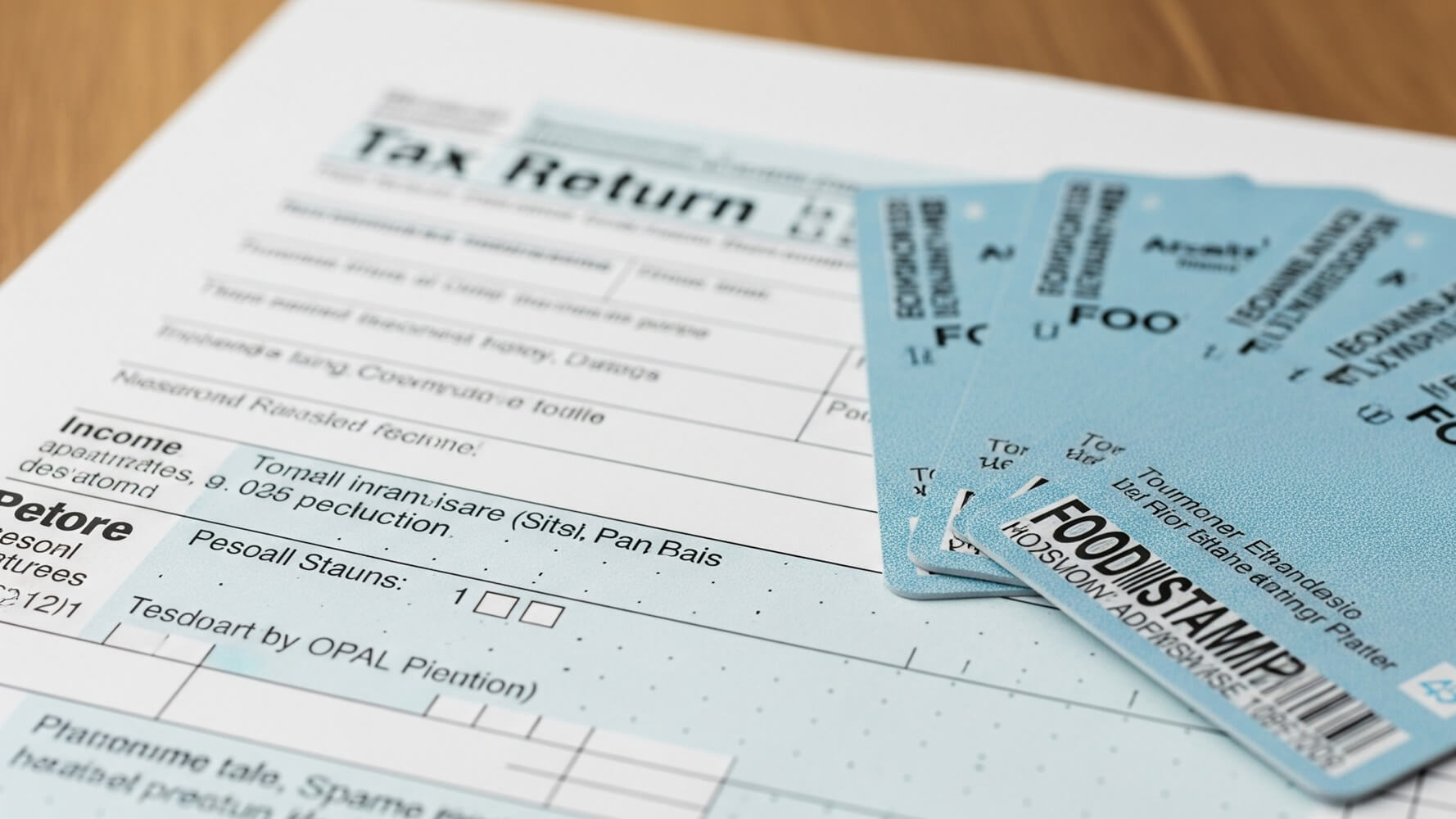
How Financial Aid is Calculated
The main way financial aid is determined is by the Free Application for Federal Student Aid (FAFSA). This form asks for information about your family’s finances. The government then uses this data to calculate your Expected Family Contribution (EFC). The EFC is the amount of money the government thinks your family can afford to pay for college. To help you understand the details of what the FAFSA form might request from you, consider these things:
- Parent’s income
- Parent’s assets, like bank accounts
- Student’s income
- Student’s assets
The college then uses this EFC, along with the cost of attendance, to build your financial aid package.
Keep in mind that the financial aid process isn’t always straightforward. The information you report on your FAFSA is crucial to this whole process.
What the FAFSA Considers
The FAFSA form asks for information about your family’s finances. They look at things like your parents’ income, assets (like savings accounts), and your income and assets. Food stamps, because they are used for food, are generally not considered income or assets in this calculation. This means that receiving food stamps won’t directly increase your Expected Family Contribution (EFC).
Let’s look at some examples to better understand:
- Parent Income: Your parents’ income impacts your EFC.
- Assets: Savings accounts are counted as assets.
- Food Stamps: These are *not* considered income or assets.
- Student Income: If you have a job, the income is considered.
It’s also important to remember that the FAFSA process can change, so you should always refer to the most current information.
Different Types of Aid
Financial aid comes in different forms. There are grants (money you don’t have to pay back), loans (money you borrow and have to repay), and work-study programs (where you earn money by working part-time on campus). If you are receiving food stamps, it will not change the amount you can get for any of these aid types.
Let’s use a table to visualize the types of aid you might be eligible for:
| Type of Aid | Description |
|---|---|
| Grants | Money you do not have to repay. |
| Loans | Money you borrow that you have to pay back, usually with interest. |
| Work-Study | A program where you work part-time to earn money for school. |
Food stamps won’t usually impact your chances of getting any of these forms of aid.
Special Circumstances and Appeals
Sometimes, families experience unusual situations that affect their ability to pay for college. This might include loss of a job, high medical expenses, or other significant changes in income. If your family faces these kinds of challenges, you can reach out to the financial aid office at your college. You can explain your situation, providing documentation to support your claim. Colleges can sometimes adjust your financial aid package based on these special circumstances. They’ll look at your situation individually.
However, you may wonder if the financial aid department will consider you situation differently if you receive food stamps. It depends on the situation:
- They might ask about other financial troubles.
- They’ll want to know the specific situation.
- They may need proof of change.
- Food stamps won’t be the main point.
It is important to always provide truthful information and the necessary documentation for your aid.
State-Specific Aid and Food Stamps
While federal financial aid rules are generally consistent, some states offer their own financial aid programs. These state programs may have slightly different rules and requirements than the federal ones. Some state programs might, in rare cases, consider food stamps in their calculations, but this is not typical.
When you are filling out forms for state aid, remember these points:
- Rules may vary by state.
- Read the instructions very carefully.
- Don’t assume anything.
- Contact the state aid office if needed.
The best approach is to check the specific guidelines for your state’s financial aid programs to be sure.
Reporting Food Stamps on FAFSA
The FAFSA form, which determines your federal financial aid, doesn’t directly ask about food stamps. This is because, as discussed before, food stamps are not considered income or assets for the purpose of calculating your EFC. You won’t need to list them as income on the form.
Let’s recap by noting the common requirements for FAFSA:
- You’ll need to provide your family’s income information.
- You’ll need to list any assets your family has.
- Food stamps aren’t usually listed on the form.
- Check the FAFSA instructions.
Always review the current FAFSA instructions carefully to make sure you are following the correct procedures.
In conclusion, generally, receiving food stamps does not directly affect your eligibility for federal financial aid. Food stamps aren’t counted as income or assets on the FAFSA. However, it’s always a good idea to stay informed about the specific rules of any state aid programs you’re applying for, and to always be honest on your financial aid applications. If you have any specific questions, you should reach out to the financial aid office at the college you plan to attend.